Tension Load Cell About
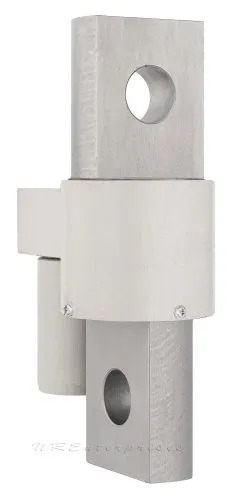
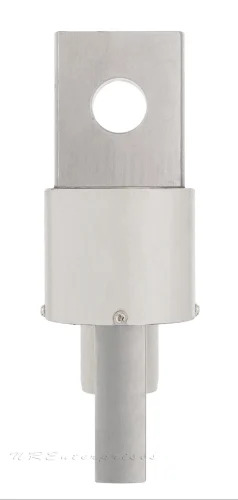
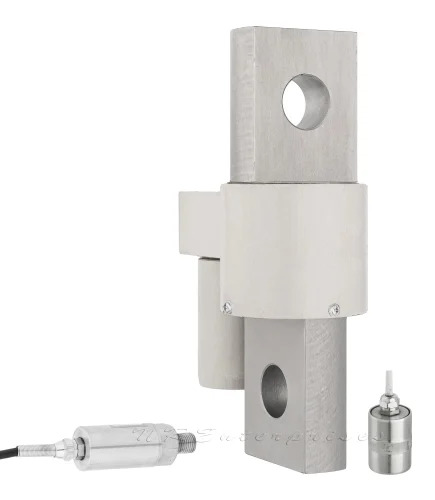
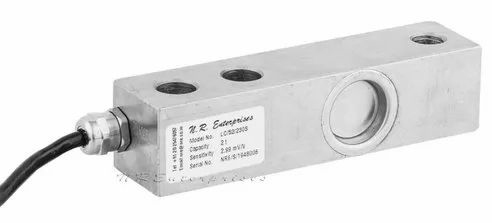
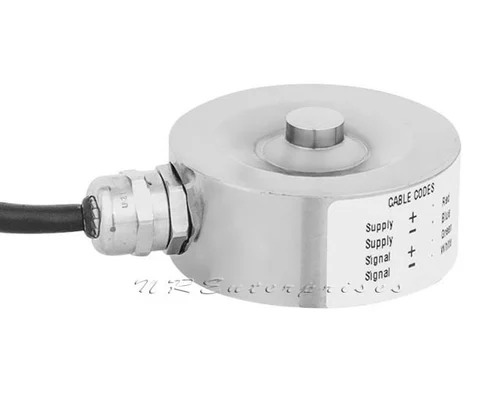
A Tension Load Cell is specifically designed to measure pulling or tensile forces in various industrial systems. It converts mechanical force into an electrical signal that can be monitored and analyzed. These load cells are commonly used in crane scales, cable tension monitoring, lifting equipment, suspended hoppers, and material testing setups. Industries such as construction, marine, mining, logistics, and manufacturing rely on tension load cells to ensure safety and accurate load monitoring. They are typically made from alloy steel or stainless steel for durability and corrosion resistance. Their compact design, high overload protection, and easy installation make them ideal for demanding industrial applications.
Robust Design for Demanding EnvironmentsThese load cells are designed specifically for challenging marine and hoisting applications. With a durable enclosure rated at IP65, they withstand exposure to water, dust, and harsh operating conditions, ensuring long-term durability and effective performance even in extreme environments.
Versatile Load Capacity and Overload SafetyCovering a broad load range from 1 ton to 100 tons, our tension load cells are suitable for various lifting and weighing scenarios. Featuring both safe and ultimate overload protection, they offer robust safety margins for equipment and personnel, minimizing risk during operation.
FAQ's of Tension Load Cell:
Q: How do tension load cells operate in marine and hoisting environments?
A: Tension load cells measure applied force by converting the mechanical tension into an electrical signal. Their rugged construction and IP65 protection allow them to deliver reliable readings, even with exposure to humidity and saline conditions typical in marine and hoisting applications.
Q: What benefits do these load cells offer for lifting operations?
A: These load cells enhance safety and accuracy during lifting operations by providing precise, real-time load measurements. The high safe and ultimate overload ratings ensure load integrity, reducing the risk of equipment failure or accidents.
Q: What process is involved in installing and integrating these load cells?
A: Installation is straightforward, involving mechanical mounting to hoisting or load-bearing equipment, followed by electrical connection to the monitoring system using a 10-15 VDC excitation source. Calibration and setup are performed according to provided guidelines to ensure optimal performance.
Q: Where can these tension load cells be used?
A: They are ideal for marine environments, shipyards, docks, as well as construction hoisting, crane operations, and other industrial lifting applications where durable and accurate force measurement is essential.
Q: When should a tension load cell be chosen over other types?
A: Tension load cells are the preferred choice when the application requires direct measurement of pulling or lifting forces, particularly in settings where high capacity and environmental protection are necessary, such as marine and hoisting operations.
Q: What measures ensure protection against overload and environmental factors?
A: The load cells are engineered to safely withstand up to 150% of the rated load and can handle up to 200% as ultimate overload. The IP65-rated enclosure safeguards internal components from dust and water ingress, ensuring reliability and longevity.

 Send Inquiry



 Send Inquiry

 Send Inquiry
 English
 Spanish
 French
 German
 Italian
 Chinese (Simplified)
 Japanese
 Korean
 Arabic
 Portuguese