Miniature Load Cell About
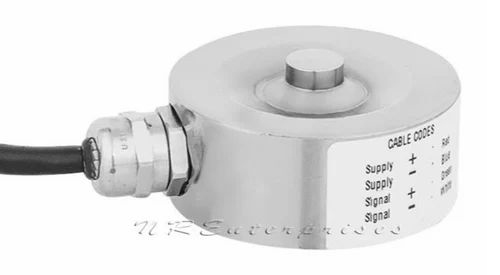
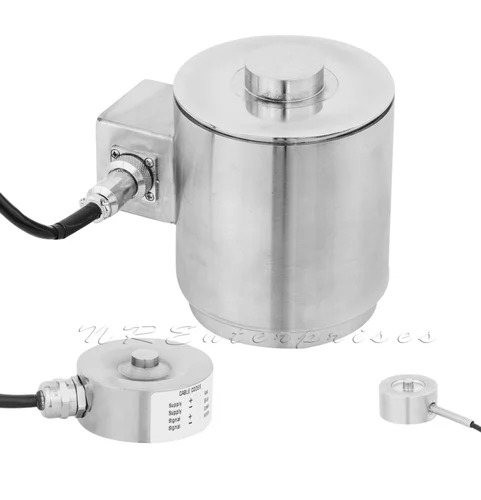
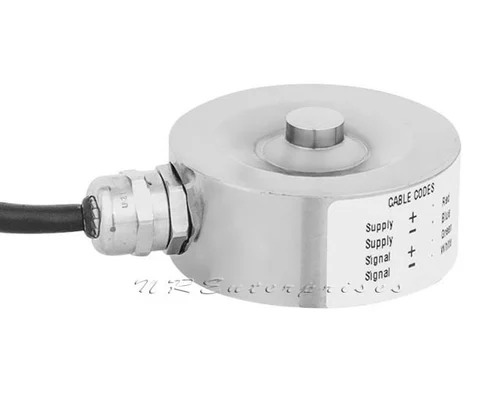
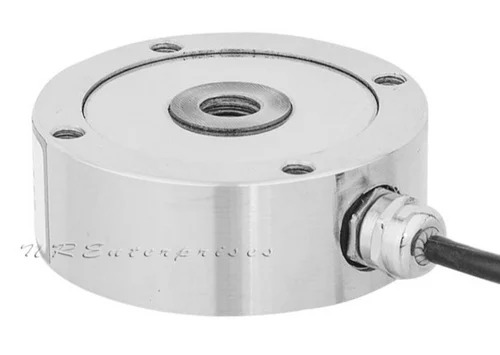
A Miniature Load Cell is a compact force measurement device designed for applications where space is limited but precise measurement is essential. Despite its small size, it delivers high accuracy and reliable performance. These load cells are commonly used in medical devices, robotics, packaging machines, laboratory testing equipment, and small-scale automation systems. Industries such as healthcare, electronics manufacturing, aerospace, and research laboratories frequently use miniature load cells for delicate force measurement tasks. They are typically constructed from stainless steel to ensure strength and corrosion resistance. Their lightweight design, quick response time, and high sensitivity make them ideal for precision measurement applications.
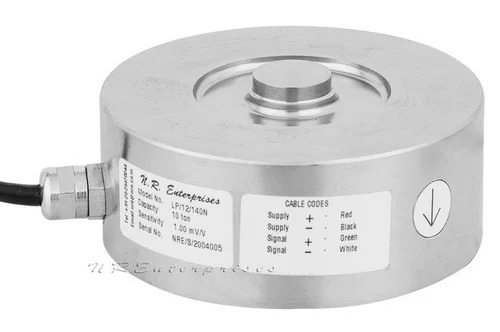
Robust and Reliable Industrial PerformanceDesigned to withstand tough industrial environments, the LP/12/140N miniature load cell provides reliable measurements with IP66 protection and hermetic sealing. Its stainless steel construction ensures durability against corrosion and contaminants. Whether used in harsh processing factories or automated industrial setups, this load cell excels in accuracy and longevity.
Precision Measurement TechnologyIncorporating strain gauge theory, the LP/12/140N delivers a high accuracy of 0.03% FS and minimal creep error over time. Its advanced engineering minimizes temperature effects, making it perfect for applications where precision is critical. The load cell is compatible with a broad voltage range for easy integration into various system designs.
FAQ's of Miniature Load Cell:
Q: How is the Miniature Load Cell LP/12/140N installed and connected in industrial systems?
A: The LP/12/140N load cell can be easily installed using its compact design and mounting provisions. Its cable length, which ranges from 1 to 20 meters, allows flexible connection to indicator systems or data acquisition devices. The analog output integrates seamlessly with standard industrial instrumentation.
Q: What are the advantages of using a hermetically sealed, stainless steel load cell for industrial applications?
A: Hermetic sealing and stainless steel construction protect the load cell against moisture, dust, and chemicals, ensuring consistent performance and longevity, even in challenging industrial environments. This sealing enhances ingress protection to IP66 standards, minimizing maintenance and reducing downtime.
Q: When should I consider using the LP/12/140N miniature load cell in my operations?
A: The LP/12/140N is especially suitable for applications requiring precise force or weight measurement in compact spaces, such as process control, testing machines, and automated production lines, particularly where high capacities (5-50 tons) and environmental resistance are essential.
Q: Where can the Miniature Load Cell LP/12/140N be deployed within an industrial facility?
A: This load cell is extremely versatile, making it suitable for use in weighing silos, hoppers, presses, lifting equipment, and material testing stations across various industrial sectors. Its ingress protection allows for both indoor and outdoor deployments.
Q: What process is used to ensure measurement accuracy under varying temperatures?
A: The load cell is engineered to minimize temperature-induced drift, with a temperature effect on output of 0.0015% FS/C and on zero balance of 0.020% FS/C. It operates reliably between -20C and +70C, with internal compensation between -10C and +40C, ensuring stable results.
Q: How does the overload protection of the LP/12/140N benefit industrial users?
A: With maximum safe overload of 150% FS and ultimate safe overload of 200% FS, this load cell protects against damage from accidental overloading, enhancing operational safety and reducing premature replacement costs.
Q: What is the primary benefit of using strain gauge technology in this load cell?
A: Strain gauge technology allows for highly accurate and linear force measurement, providing dependable analog outputs. This technology ensures consistency and precision required in advanced industrial automation and quality control processes.

 Send Inquiry



 Send Inquiry

 Send Inquiry
 English
 Spanish
 French
 German
 Italian
 Chinese (Simplified)
 Japanese
 Korean
 Arabic
 Portuguese