Force And Torque Sensor About
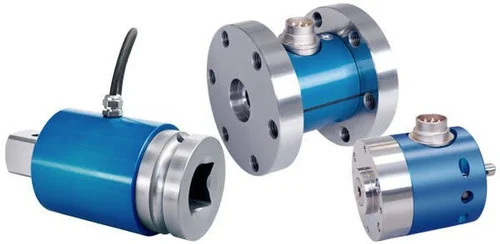
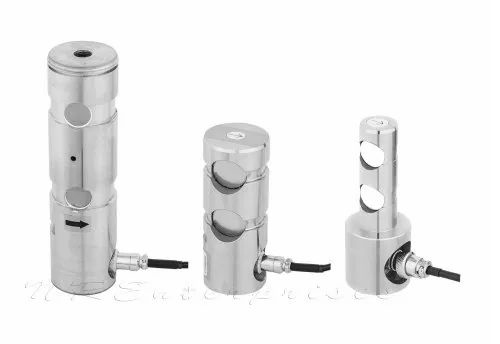
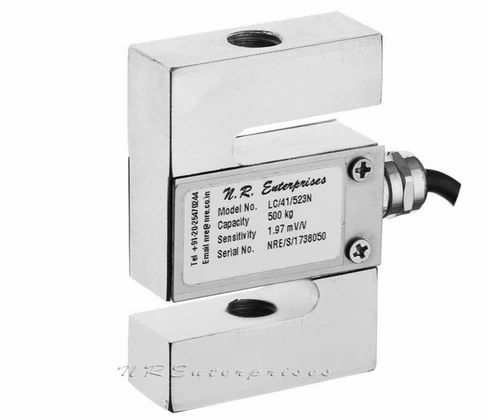
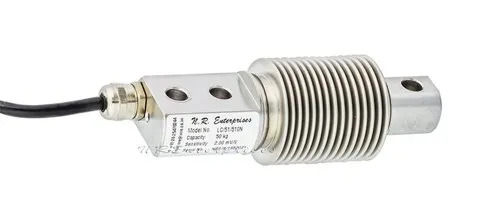
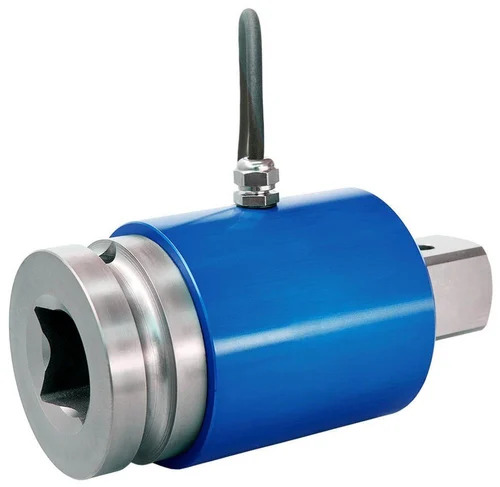
A Force and Torque Sensor is a multi-axis measurement device designed to simultaneously measure force and rotational torque in mechanical systems. It converts applied forces and torques into electrical signals for monitoring and analysis. These sensors are widely used in robotics, automotive testing, assembly automation, aerospace engineering, and research laboratories. Industries such as electronics manufacturing, industrial automation, and precision engineering depend on these sensors for quality control and performance evaluation. Force and torque sensors provide high accuracy, fast response, and reliable measurements in dynamic environments. Their compact design and advanced signal processing capabilities make them ideal for complex motion control and testing applications.
Wide Measurement CapabilityCovering a torque range from 0.5 Nm to 50,000 Nm, this sensor seamlessly adapts to both light and heavy-duty applications. Its high precision design ensures reliable readings whether deployed in laboratory analysis or demanding industrial settings. With this flexibility, a single model supports multiple operational needs.
Durable Alloy Steel ConstructionManufactured from superior alloy steel, this torque sensor resists corrosion, ensuring a long service life even in harsh industrial environments. Its robust design is complemented by compact dimensions, making it easy to integrate into tight machinery spaces without compromising performance.
High Accuracy and SensitivityThis sensor offers a sensitivity rating of 1.5 0.5% mV/V and is engineered to deliver highly accurate torque and force measurements. Ideal for mission-critical industrial processes, its precision facilitates consistent process quality and operational safety.
FAQ's of Force And Torque Sensor:
Q: How is the Force and Torque Sensor typically installed in industrial applications?
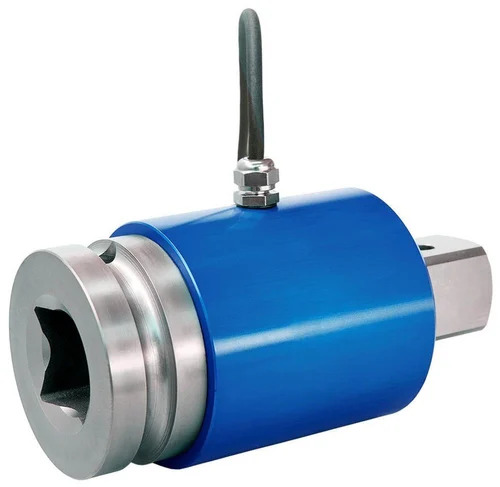
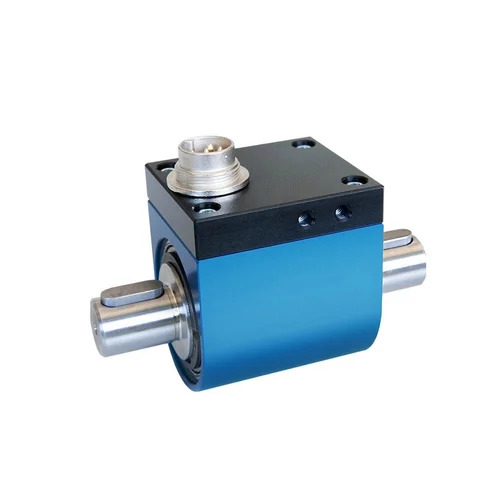
A: The sensor's compact design allows for straightforward integration either as a static, reaction, or rotary sensor. It can be mounted directly onto test rigs, machinery, or assembly lines using industry-standard fittings and connectors.
Q: What are the primary benefits of using an alloy steel Force and Torque Sensor with IP54 protection?
A: The use of alloy steel delivers superior durability and corrosion resistance, while IP54 protection guards against dust and splashing water. Together, these features enable the sensor to provide long-lasting and reliable performance in harsh industrial environments.
Q: When should I choose a rotary type over a static or reaction type torque sensor?
A: Rotary sensors are recommended when real-time torque monitoring on rotating shafts or equipment is necessary, such as in motors, pumps, or automotive testing. Static or reaction types are best for fixtures or applications where rotation is not involved.
Q: Where can these Force and Torque Sensors be used?
A: These sensors are versatile and ideal for a range of settings, including automotive manufacturing, industrial automation, quality assurance labs, and heavy machinery maintenance. As an Indian manufacturer and exporter, we serve both domestic and international markets.
Q: What process should be followed to maintain the sensor in optimal condition?
A: Regularly inspect the sensor for signs of physical damage or excessive contamination. Ensure all electrical connections remain secure and clean. For best results, operate the sensor within the specified temperature and environmental limits.
Q: How does high accuracy impact the operational benefits for users?
A: High accuracy ensures each measurement is precise and reliable, minimizing errors and maximizing process control. This results in improved product quality, reduced waste, and enhanced safety throughout industrial processes.

 Send Inquiry



 Send Inquiry

 Send Inquiry
 English
 Spanish
 French
 German
 Italian
 Chinese (Simplified)
 Japanese
 Korean
 Arabic
 Portuguese