Shear Pin Load Cell About
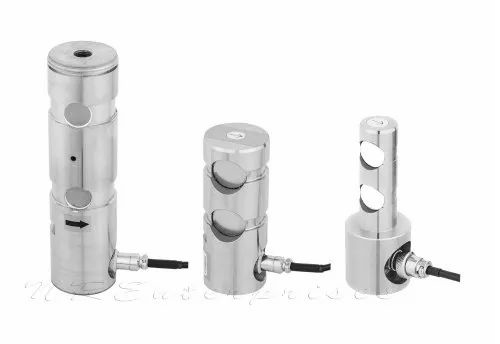
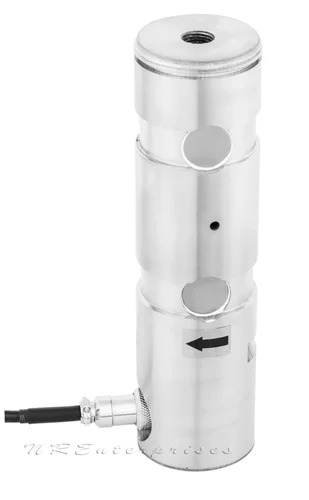
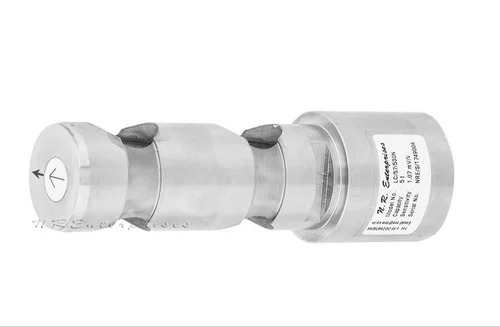
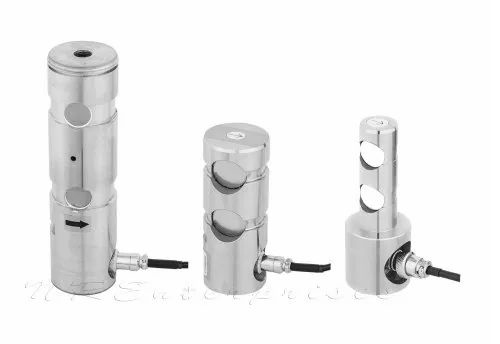
A Shear Pin Load Cell is designed to replace traditional structural pins in machinery while simultaneously measuring load forces. It operates by sensing strain generated in the pin when subjected to shear force. These load cells are widely used in cranes, hoists, winches, conveyor systems, and heavy lifting equipment. Industries such as mining, marine, construction, and material handling use shear pin load cells for real-time load monitoring and overload protection. Their rugged design allows them to withstand harsh environmental conditions, shock loads, and vibrations. Shear pin load cells provide reliable and accurate measurements without requiring major modifications to existing mechanical structures.
Robust Construction for Industrial EnvironmentsThis load cell features a durable shear pin design, specifically crafted to handle harsh industrial settings. Its IP67-rated body shields against dust and water, making it ideal for both indoor and outdoor use. The load cell's structure ensures longevity and consistent results in heavy-duty applications.
Versatile Load Capacity RangeSupporting a broad spectrum of weights from 200 kg to 50 tons, this shear pin load cell caters to diverse industrial requirements. Its wide load range makes it suitable for various sectors, including manufacturing, construction, and logistics.
High Overload ProtectionWith a safe overload capacity of 200% and an ultimate overload capacity of 400% of the full-scale load, this load cell ensures operational safety and reduces the risk of damage during unexpected load surges or mishandling.
FAQ's of Shear Pin Load Cell:
Q: How is the Shear Pin Load Cell typically installed in industrial applications?
A: The Shear Pin Load Cell is usually integrated into machines or weighing assemblies where force measurement is critical. It replaces traditional shear pins, allowing for real-time load monitoring and protection against overloading in industrial processes.
Q: What benefits does an IP67 protection rating offer for this load cell?
A: An IP67 rating ensures the load cell is well-protected against dust ingress and brief submersion in water, making it ideal for demanding industrial environments where exposure to moisture or dust could be an issue.
Q: When should I select a load cell with a capacity as high as 50 tons?
A: A load cell with a 50-ton capacity is recommended for large-scale industrial applications, such as heavy equipment monitoring, large tank weighing, or structural load assessments, where precise measurement of very high forces is necessary.
Q: Where can these Shear Pin Load Cells be used in industrial settings?
A: These load cells are suited for various sectors including automation, process industries, crane weighing, silo monitoring, and heavy equipment safety systems, given their robust construction and wide load range.
Q: What is the typical process for calibrating this load cell?
A: Calibration typically involves applying known weights to the load cell and adjusting output readings accordingly. Regular calibration ensures continued accuracy and reliability, especially in critical industrial operations.
Q: How do the safe and ultimate overload ratings contribute to product longevity?
A: With safe overload rated at 200% and ultimate overload at 400% of full scale, the load cell is less susceptible to permanent damage during unexpected overloading, thereby enhancing its operational lifespan and providing an added margin of safety.
Q: What are the primary advantages of sourcing from an exporter and manufacturer in India?
A: Sourcing from a reputable Indian exporter and manufacturer offers cost-effectiveness, access to high-quality products, tailored solutions for specific industrial needs, and comprehensive after-sales support for installation and maintenance.

 Send Inquiry



 Send Inquiry

 Send Inquiry
 English
 Spanish
 French
 German
 Italian
 Chinese (Simplified)
 Japanese
 Korean
 Arabic
 Portuguese