Reaction Torque Sensor About
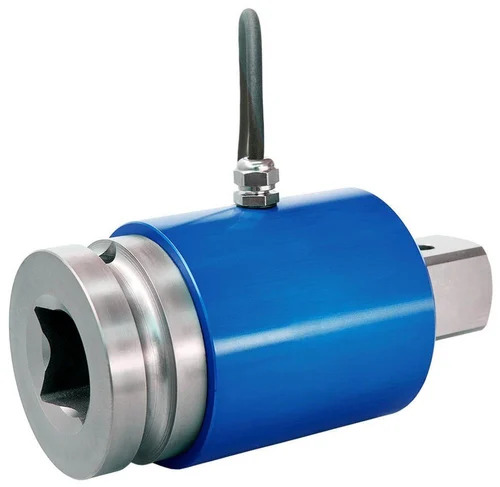
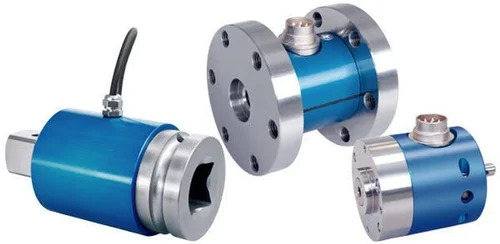
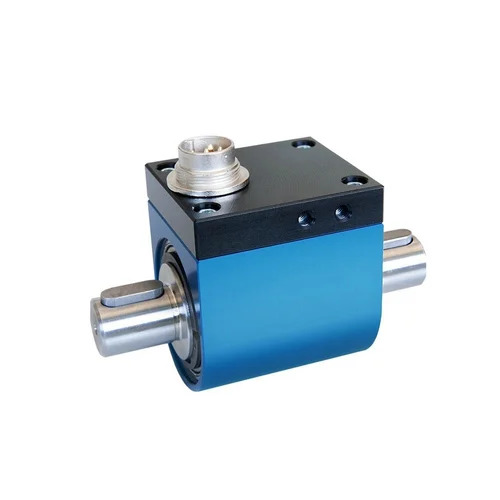
A Reaction Torque Sensor measures static torque by detecting the reaction force generated when torque is applied to a stationary component. It converts this mechanical torque into an electrical signal for monitoring and analysis. These sensors are widely used in motor testing, gearbox performance evaluation, quality control systems, and research laboratories. Industries such as automotive manufacturing, aerospace engineering, robotics, and industrial automation rely on reaction torque sensors for accurate torque measurement. They offer high precision, excellent repeatability, and stable long-term performance. Their compact design and easy integration with data acquisition systems make them essential tools for torque monitoring and mechanical testing.
Advanced Torque Measurement TechnologyThis reaction torque sensor is crafted for high-precision and endurance in rigorous industrial environments. Its alloy steel build guarantees strength, while the IP54 protection ensures resilience against dust and water splashes. With a wide operational temperature range, it adapts to numerous industrial processes, providing versatile performance and robust reliability for demanding torque measurement tasks.
Exceptional Safety and ReliabilityThe sensor is designed to handle challenging scenarios with a safe overload capacity reaching 150% of full scale, and an ultimate overload tolerance up to 200%. Its sturdy construction merges with cutting-edge electronics, delivering consistent results even in harsh operating conditions. This sensor is an essential solution for ensuring process control and equipment safety in various industrial setups.
FAQ's of Reaction Torque Sensor:
Q: How does the reaction torque sensor work in industrial applications?
A: The reaction torque sensor measures torque by detecting the rotational force on a stationary shaft or structure. It converts the applied torque into a readable electrical signal, making it ideal for process monitoring, test benches, and quality control in industrial environments.
Q: What benefits does the robust alloy steel construction provide?
A: The use of alloy steel ensures high mechanical strength, excellent resistance to wear, and long operational life. This robust construction helps maintain sensor accuracy and performance, even under heavy loads and repeated use in demanding industrial settings.
Q: When should you use a reaction (static) torque sensor over a rotating type?
A: A reaction (static) torque sensor is best suited for applications where measuring torque on stationary parts is required, such as in assembly line testing or when monitoring torque in bolted connections, rather than in continuously rotating components.
Q: Where can the reaction torque sensor be installed safely?
A: Thanks to its IP54 rating, the sensor can be installed in industrial settings where moderate dust and water splashes are present. However, it should not be used in environments with high moisture or immersion exposure.
Q: What is the process of connecting and operating this torque sensor?
A: To operate, connect the sensor to a compatible measuring instrument using the specified excitation voltage (10 VDC). Place the sensor on the test setup, apply torque within its rated capacity (1 Nm - 50,000 Nm), and monitor the output signal for precise torque readings.
Q: How does the sensor ensure safety against overloading during usage?
A: The sensor is engineered for safety, allowing for 150% of full-scale safe overload, and withstanding up to 200% of ultimate overload. This design prevents sensor damage from unexpected loads, ensuring reliability and protecting equipment.

 Send Inquiry



 Send Inquiry

 Send Inquiry
 English
 Spanish
 French
 German
 Italian
 Chinese (Simplified)
 Japanese
 Korean
 Arabic
 Portuguese