Belt Weigher Indicator About
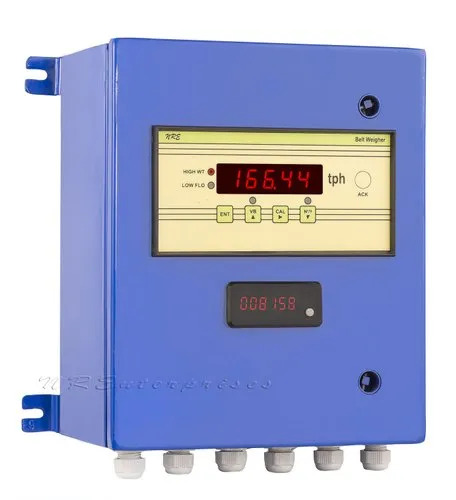
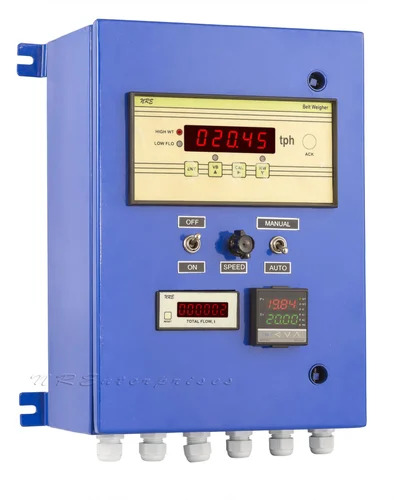
A Belt Weigher Indicator is an electronic instrument used to display and control weight measurements in belt weighing systems. It processes signals from belt load cells and speed sensors to calculate material flow rate and totalized weight passing through the conveyor belt. The device is widely used in cement plants, mining operations, power plants, fertilizer production, and bulk material handling industries. With high accuracy and advanced digital processing, it enables efficient monitoring of material transfer and production rates. Belt weigher indicators often include features like data logging, communication interfaces, and programmable alarms, ensuring improved process control, productivity, and inventory management.
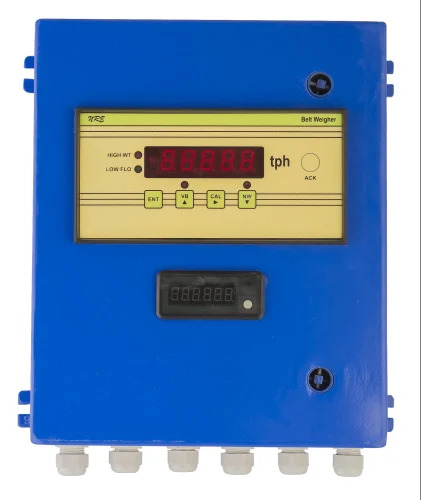
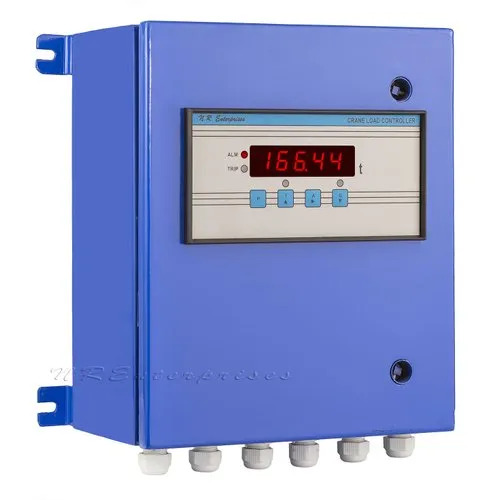
Precision Weighing for IndustryThe Belt Weigher Indicator provides real-time, accurate measurements for continuous material flow on conveyor belts. Its robust MS/SS construction ensures reliability in harsh industrial settings. With a 5-digit LED display in bright red, operators benefit from instant and clear weight readouts. Designed for panel mounting, the unit integrates seamlessly with existing control systems, optimizing operational efficiency and throughput in bulk material handling.
Energy Efficient DesignOperating at low power consumption, this indicator delivers high performance while minimizing energy costs. Its compatibility with both 230 VAC and 110 VAC power supplies offers flexibility for diverse industries. The digital output and fast response time allow for smooth system integration and reliable, uninterrupted weighing processes, making it a smart choice for continuous or batch operations in factories and processing plants.
FAQ's of Belt Weigher Indicator:
Q: How does the Belt Weigher Indicator function in a weighing system?
A: The Belt Weigher Indicator measures the instantaneous weight of materials being conveyed on a belt. It processes the weight data from load cells and displays the reading on its bright 5-digit LED screen, enabling real-time monitoring and digital output for integration with control systems.
Q: What materials is the Belt Weigher Indicator made from and why is this important?
A: The indicator is manufactured from Mild Steel (MS) or Stainless Steel (SS), providing durability and corrosion resistance. These materials ensure a long lifespan and reliable operation in heavy-duty and demanding industrial environments.
Q: When should I use a Belt Weigher Indicator in my process?
A: You should use the Belt Weigher Indicator whenever continuous measurement of bulk material flow on a conveyor belt is required, such as in mining, cement, or manufacturing industries. It is essential for quality control and for monitoring production rates and inventory.
Q: Where can the Belt Weigher Indicator be installed?
A: This device is designed for panel mounting, making it suitable for installation in industrial control panels near conveyor systems. Its robust build allows it to withstand tough environments typically found in factories and processing facilities.
Q: What is the process for integrating the Belt Weigher Indicator with other systems?
A: To integrate the indicator, connect it to the load cells installed on your conveyor, supply power (230 VAC or optionally 110 VAC), and use the digital output to link with PLCs or other data logging/control systems. Comprehensive installation and wiring guidelines are provided for seamless setup.
Q: How can operators benefit from the fast response and LED display features?
A: Operators benefit from the fast response by receiving real-time weight updates, which supports immediate decision-making. The large red 5-digit LED display ensures clear visibility even in low-light conditions, enhancing operational safety and efficiency.
Q: What are the advantages of low power consumption and digital output?
A: Low power consumption reduces operational costs and supports sustainability goals, while the digital output enables precise and quick data transmission to other devices and control systems, streamlining automation processes.

 Send Inquiry


 Send Inquiry

 Send Inquiry
 English
 Spanish
 French
 German
 Italian
 Chinese (Simplified)
 Japanese
 Korean
 Arabic
 Portuguese